A certificate of analysis is a laboratory report for one lot. It is one of the few documents in this category that can be read without turning into a treatment story — if you know which lines matter and which lines are being asked to do too much.
What a COA is for
In regulated drug development, analytical procedures exist to document identity, strength, quality, purity, and potency. FDA’s 2015 guidance on analytical procedures and methods validation is written for applicants submitting NDAs, ANDAs, BLAs, and related files. It is not a consumer brochure. It is still the clearest official description of what “the method was validated” is supposed to mean: the procedure is suitable for its intended purpose, and the file can show how identity and purity were measured.
ICH Q2(R1), published by FDA as guidance, lists the usual validation characteristics: accuracy, precision, specificity, detection and quantitation limits, linearity, range, and robustness. When a research COA says “HPLC purity 99.2%,” a careful reader asks which method, which detection wavelength, which related-substance peaks were integrated, and whether that method was shown to be specific for the peptide versus look-alike impurities.
Those guidances apply to approved-drug applications. A storefront COA for a research peptide is not an NDA package. Using FDA language here is a literacy exercise: you are borrowing official definitions so a percentage cannot hide behind jargon.
The lines that usually matter
Lot or batch number. The report must match the vial. A COA for a different lot is a different product.
Identity. For peptides, identity is more than a trade name. MeSH classifies peptides by amino-acid chains and peptide bonds. A laboratory identity test tries to show that the main component is the claimed chain. Common tools are mass spectrometry (molecular mass, sometimes fragmentation) and chromatographic retention time against a reference. A name on the header is not an identity test.
Purity. HPLC area-percent is the number most catalogs repeat. It is a statement about the chromatogram, not about clinical grade. A high area-percent can still sit next to unreported residual solvents, moisture, or endotoxin if those tests were never run.
Method. “HPLC” and “MS” are families of techniques. The report should name the method well enough that another laboratory could understand the measurement. FDA’s analytical-procedures guidance expects a written procedure: principle, apparatus, operating parameters, reagents, sample preparation, system suitability, calculations, and data reporting.
Date and laboratory. When it was tested, and by whom, matters for traceability. “Third-party” is meaningful only if the lab and the lot are identified.
Appearance and quantity. Color, form (often a lyophilized cake), and labeled content are checks against the wrong vial in the wrong box.
If a line is missing, the honest reading is “not shown,” not “must be fine.”
Water content, residual solvents, and bacterial endotoxin are examples of tests that peptide laboratories sometimes run and sometimes omit. None of those omissions is automatically a defect in a research catalog — but each omission is a reason not to treat the PDF as a complete quality story. Ask the seller which specification the lot was released against, and whether the laboratory is identified enough that a veterinarian can request the same file later.
What a COA cannot do
FDA’s animal-drug overview describes what legal marketing status looks like for approved or indexed animal drugs, including required labeling elements. Unapproved animal drugs have not been through that pre-market review. A research COA does not create legal marketing status. It does not mean FDA evaluated safety or effectiveness for any canine use.
A COA also does not:
- Diagnose a dog or justify skipping a veterinarian.
- Prove that two vials with the same name from different makers are the same substance.
- Replace AVMA’s expectation that prescription decisions happen inside a VCPR.
- Tell you how to store or reconstitute the vial. That is a handling question; see storage, handling, and reconstitution.
How to read a purity number without kidding yourself
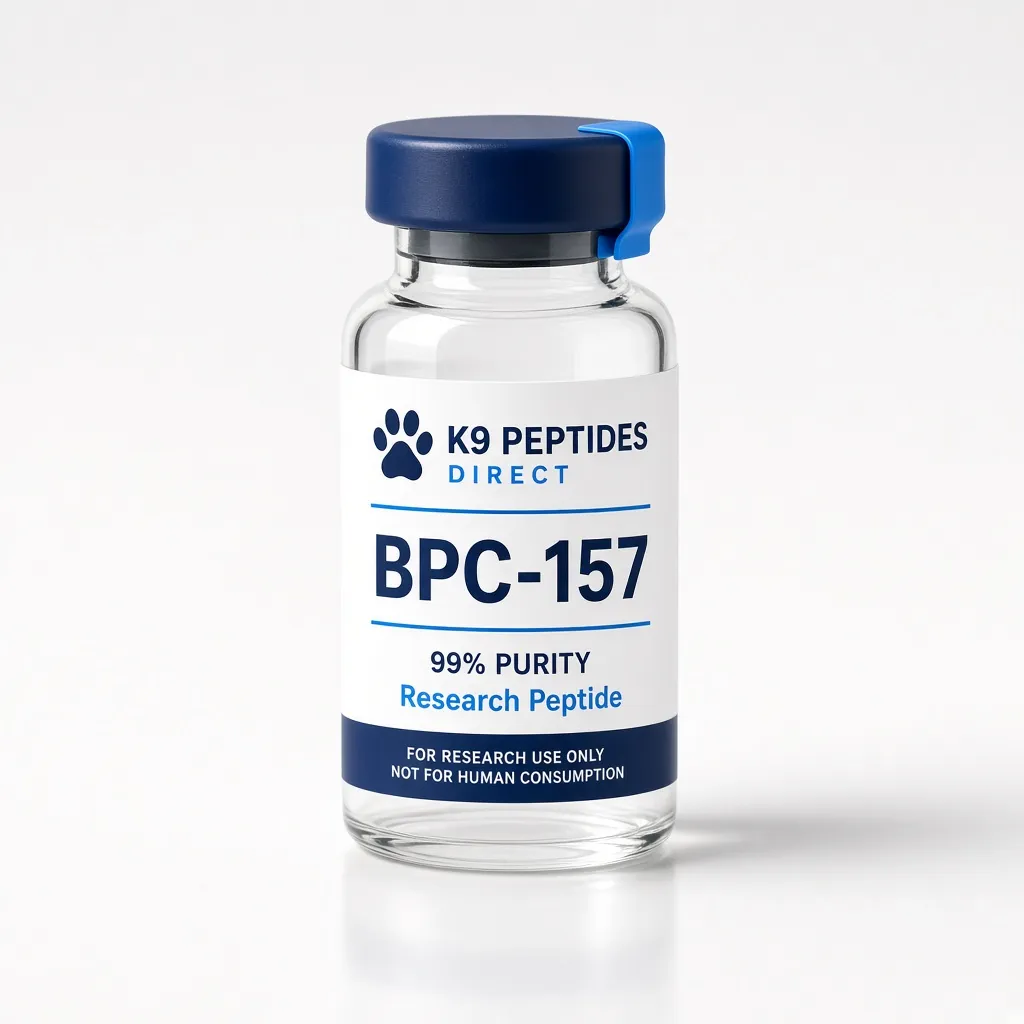
Suppose a BPC-157 lot lists HPLC purity in the high 99s and “mass spec verified.” A fair set of follow-ups is: verified against what theoretical mass? Was MS used only for a molecular-ion check? Were related peptides resolved on the HPLC method? Is the solvent system compatible with the sequence?
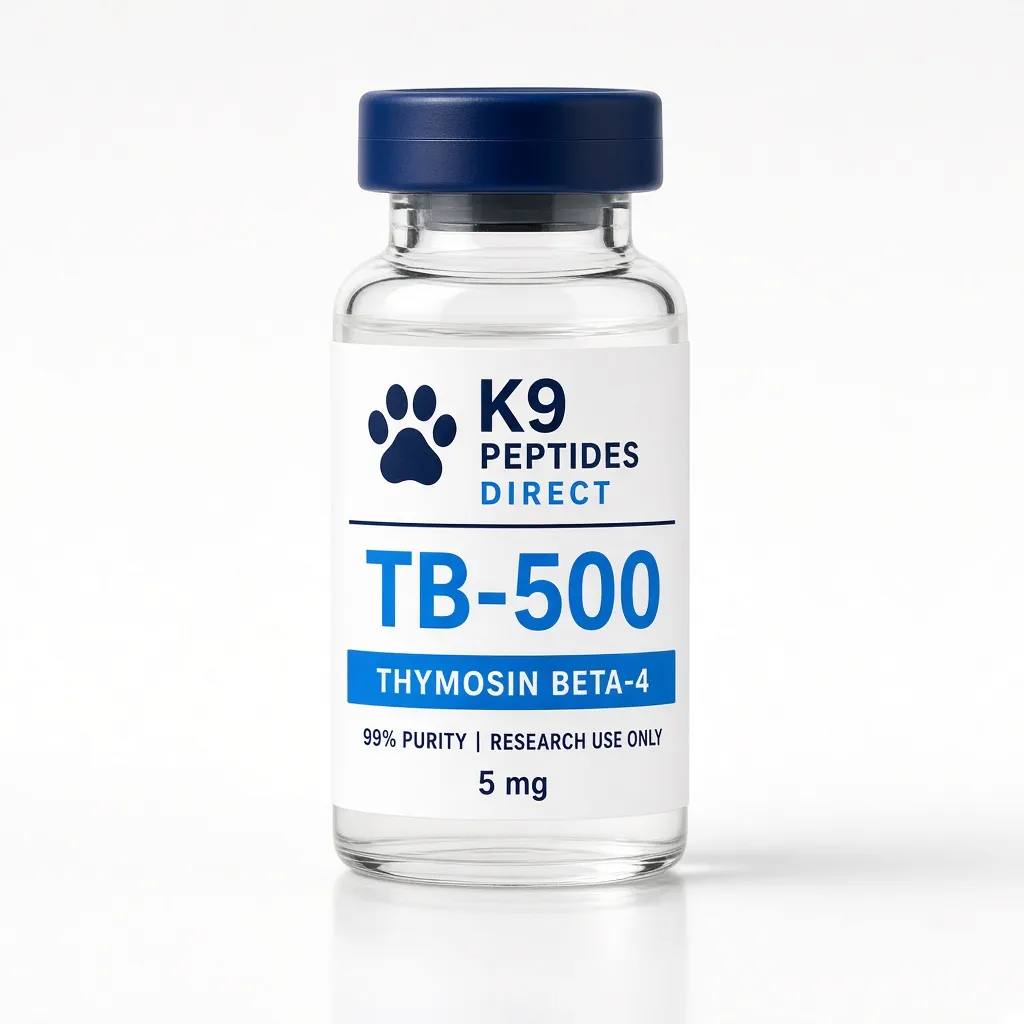
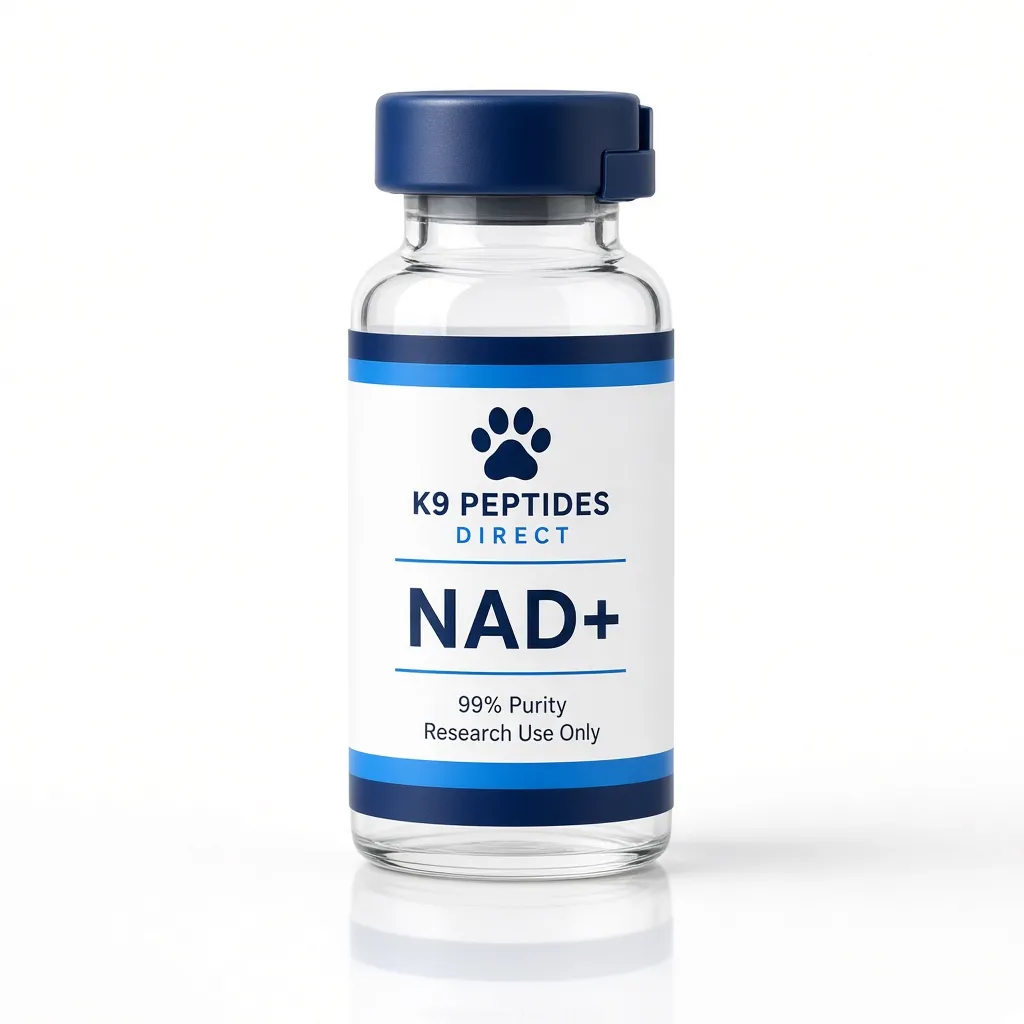
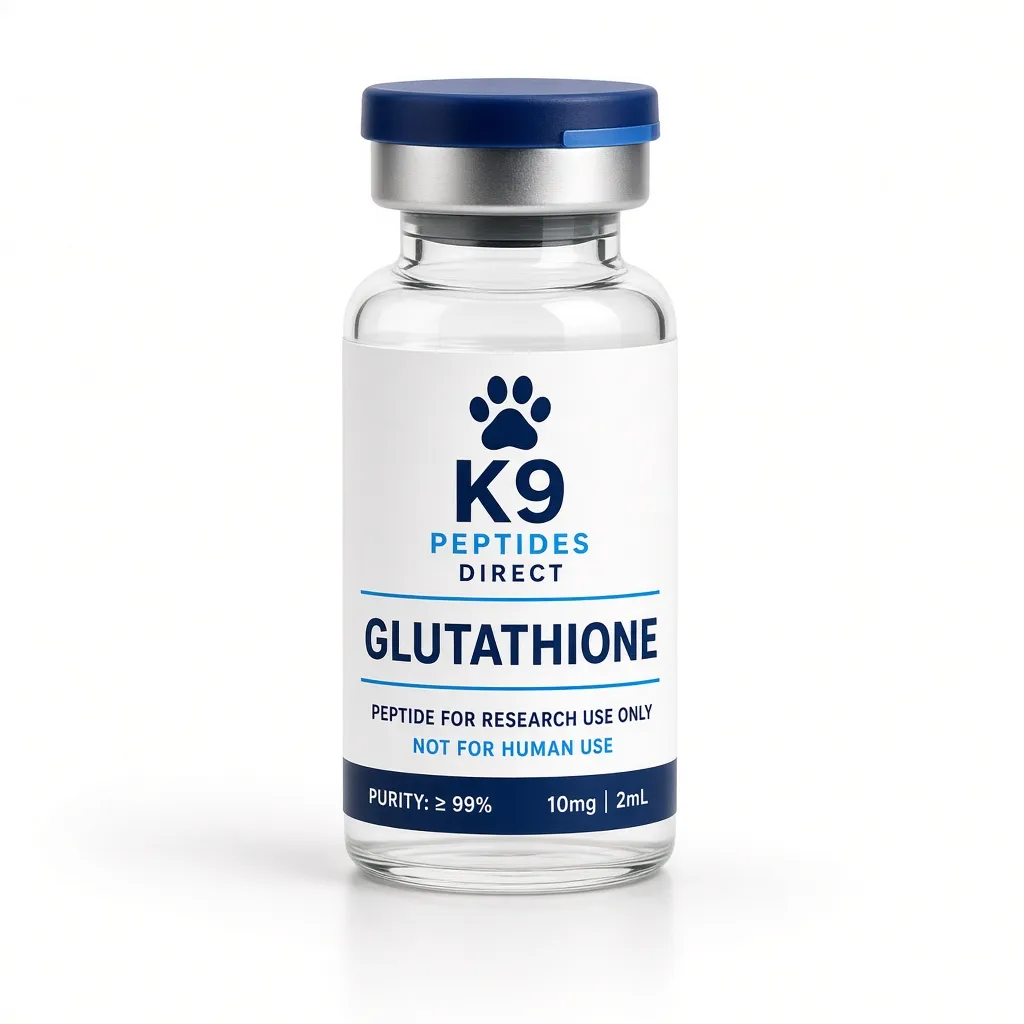
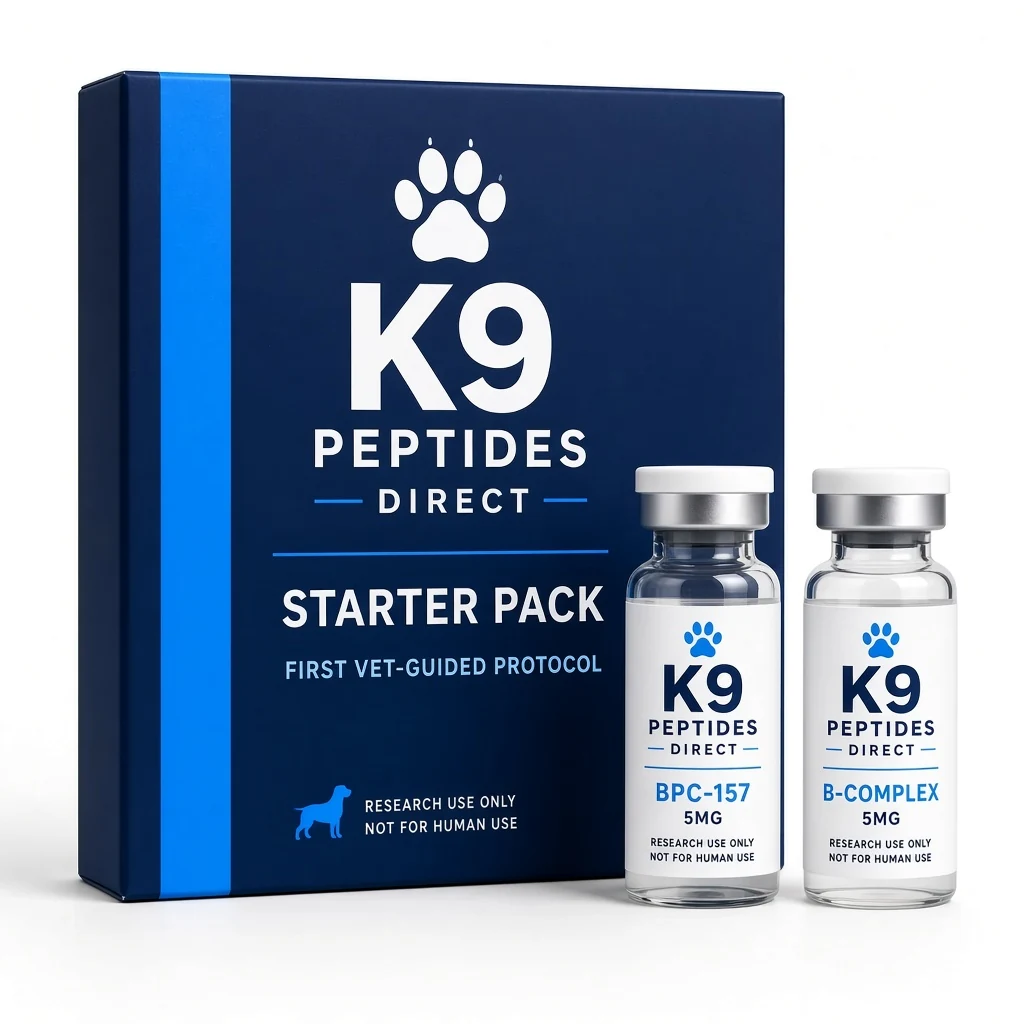
The same questions apply to TB-500, NAD+, and glutathione. Glutathione is a tripeptide; NAD+ is a dinucleotide cofactor, not a classic oligopeptide. A COA should still state identity and the method. Bundle pages such as the Starter Pack should point to a report per lot of each vial, not one number for the box.
Do not treat two PDFs as comparable because both say “99%.” Different columns, gradients, and integration rules produce different area-percent values. FDA’s methods-validation guidance exists because a number without a method is not a specification. If a veterinarian or a compounding pharmacist asks for the method, being able to hand over the file — not a screenshot of the headline purity — is the useful response.
If you want the chemistry of short chains before the paperwork, read what peptides are. If you want the research limits behind two popular names, read BPC-157 and TB-500.
A practical reading order
- Match lot number on vial, box, and PDF.
- Read identity before purity. A precise purity of the wrong molecule is not a virtue.
- Note every test that is absent (endotoxin, residual solvent, water, sterility). Absence is information.
- Ignore adjectives — “pharma grade,” “research supreme” — that are not methods.
- Keep the FAQ and about pages in view: this storefront publishes lot paperwork as a quality practice, not as a medical claim.
Keep a copy of the PDF with the order confirmation. If a veterinarian later asks what was in the box, the lot number and the method list are the useful parts of the conversation. The FAQ already points owners to product-page certificates when a batch is published; this article is the reading guide for those files.
A COA is a snapshot of a sample under a method. Read it that way and it is useful. Ask it to prove that a dog will do better, and it is the wrong document.
References
- Analytical Procedures and Methods Validation for Drugs and Biologics — U.S. Food and Drug Administration
- Q2(R1) Validation of Analytical Procedures: Text and Methodology — U.S. Food and Drug Administration / ICH
- FDA regulation of animal drugs — FDA Center for Veterinary Medicine
- Unapproved animal drugs — FDA Center for Veterinary Medicine
- MeSH descriptor: Peptides (D010455) — NCBI / National Library of Medicine
- Use of prescription drugs in veterinary medicine — American Veterinary Medical Association