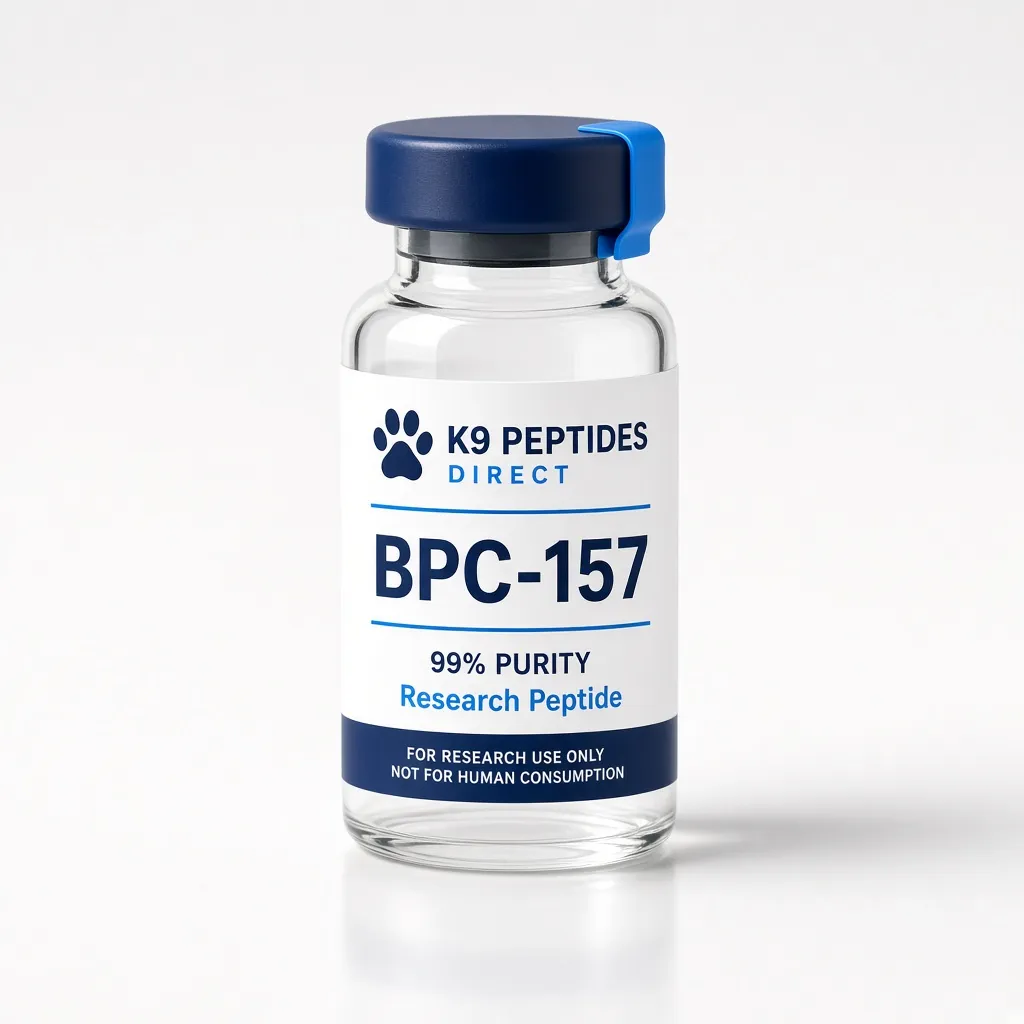
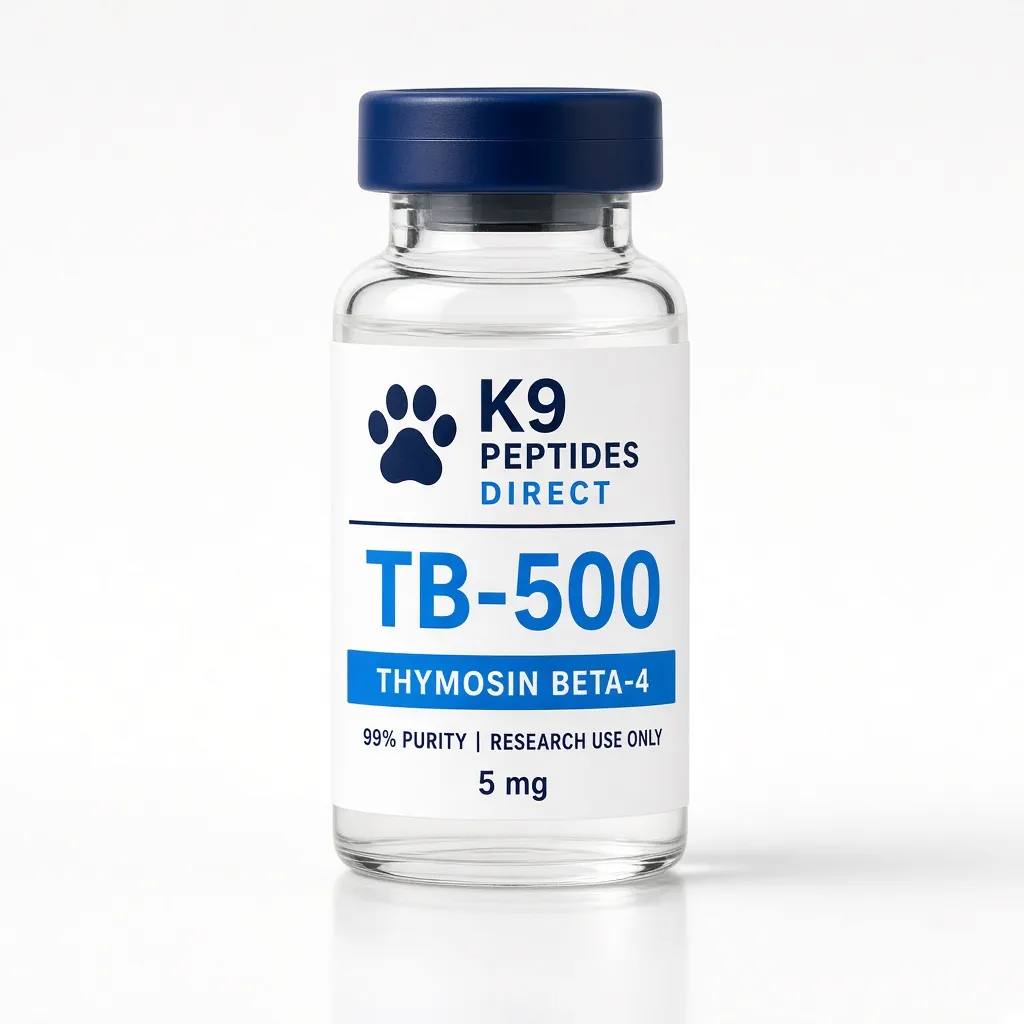
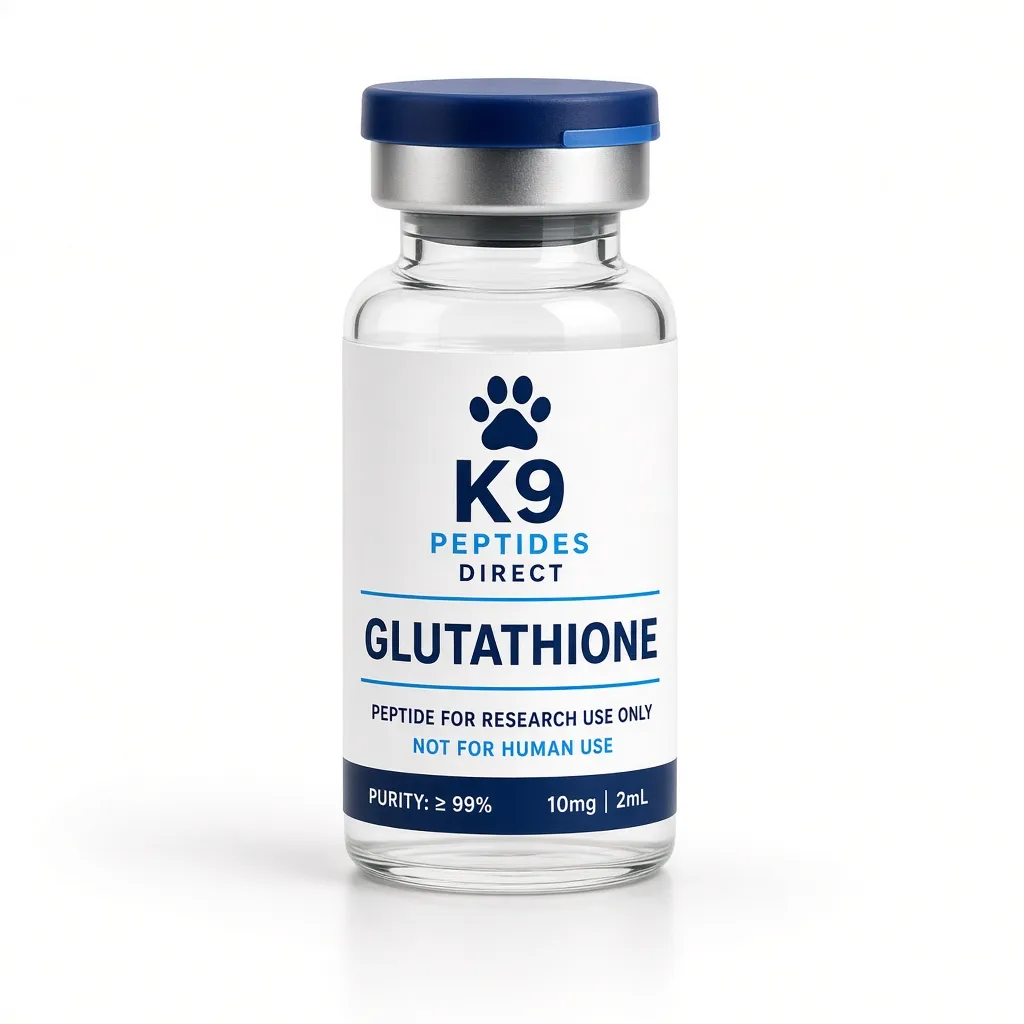
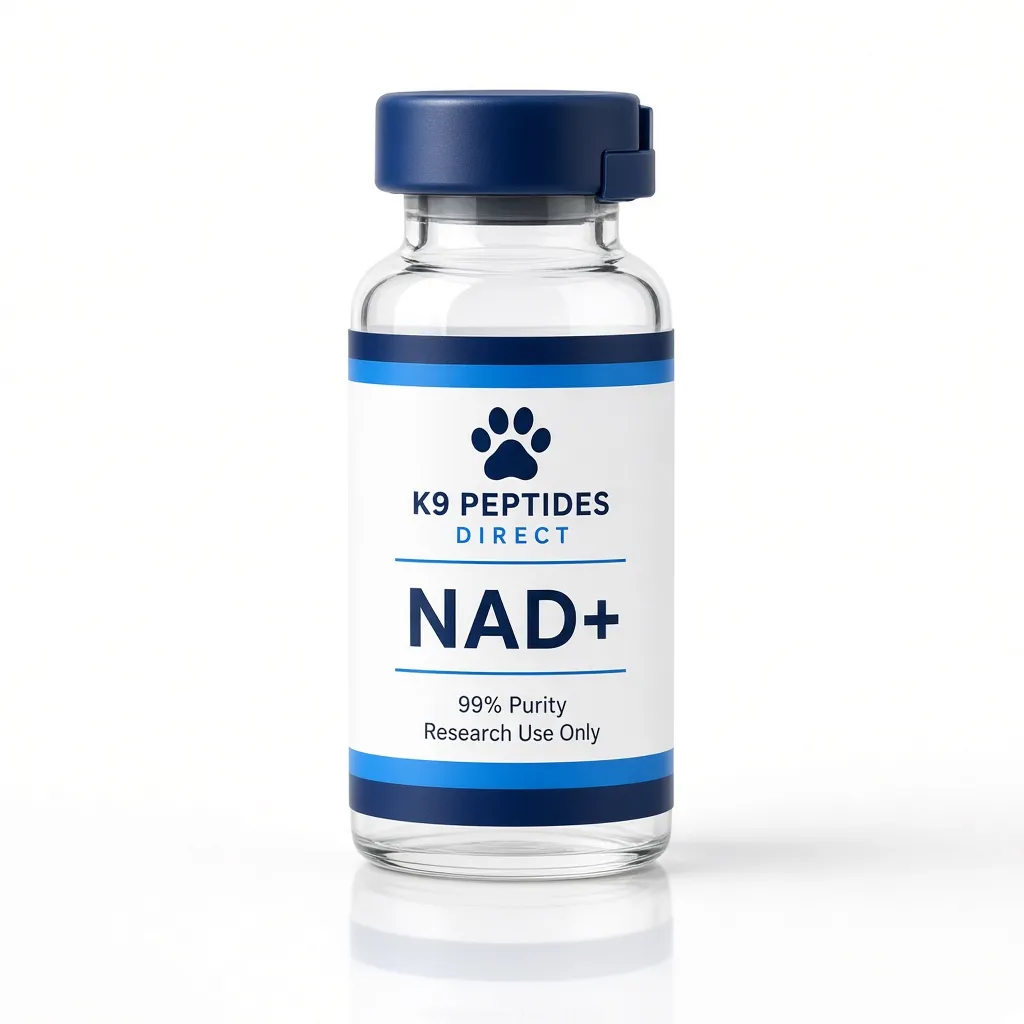
Handling is the unglamorous half of peptide literacy. A lyophilized cake, a diluent, a refrigerator, and a punctured stopper are different problems. This article stays with official descriptions of freeze-drying, bacteriostatic water, and injection-safety practice. It does not tell you how much to give a dog.
The research guide includes a short educational reconstitution sequence for the same reason this article exists: people ask. It is still not a prescription. How to read a COA is the companion for lot paperwork.
Why many vials arrive dry
FDA’s lyophilization inspection guide defines lyophilization as freeze-drying: the product is frozen, placed under vacuum, and ice leaves as vapor. The guide lists reasons manufacturers use the process: a dry solid can be more stable than a solution, water can be removed without excessive heating, and a dried cake can dissolve again when a sterile diluent is added.
The same guide lists the cost: more handling, a need for sterile diluent, and equipment complexity. It also discusses stability testing of reconstituted solutions. FDA inspectors have flagged firms that set expiration dates without checking potency after reconstitution at the labeled interval. The lesson for a reader is not a number to write on tape. It is that the clock after water is added is a separate stability question from the dry-vial date.
Dry BPC-157, TB-500, glutathione, or NAD+ cakes are still unapproved research materials in this catalog. FDA CVM does not treat freeze-drying as a path to legal marketing status.
Diluents are labeled products with limits
DailyMed’s Bacteriostatic Water for Injection label (NLM) describes a sterile, nonpyrogenic water for injection with benzyl alcohol as a bacteriostatic preservative, supplied in a multiple-dose container so repeated withdrawals can be made to dilute or dissolve drugs. The preparation is designed solely for parenteral use after addition of drugs that require dilution. The label carries a boxed warning: not for use in neonates.
That label is about the diluent, not about a peptide. It does not say that benzyl-alcohol water is appropriate for every dog, every peptide, or every route. FDA’s lyophilization guide notes that although some products are labeled for bacteriostatic water, sterile water for injection is often used in hospitals because benzyl alcohol can complicate sterility testing and has toxicity concerns.
A veterinarian chooses the diluent. Owners should not treat a forum preference as a label. DailyMed pages are product-specific; another maker’s bacteriostatic water may use a different benzyl-alcohol strength or container. Read the label that is actually in the box.
The lyophilization guide’s remark about sterile water versus bacteriostatic water is an inspection observation about sterility testing and hospital practice. It is not an instruction to ignore a veterinarian who specified a particular diluent for a particular animal. When the two conflict, the clinician who has examined the dog is the decision-maker.
After the stopper is punctured
CDC’s injection-safety page is written for clinical settings and still contains the rules that keep multi-dose containers from becoming shared contamination. Key points CDC restates from USP <797> practice:
- An unopened multi-dose vial is discarded by the manufacturer’s expiration date.
- Once opened or needle-punctured, the vial is dated and discarded within 28 days unless the manufacturer states another date.
- The beyond-use date never extends the original expiration date.
- Discard whenever sterility is compromised or cannot be confirmed.
- Dedicate multi-dose vials to a single patient whenever possible.
CDC also emphasizes basic safe injection practice: new sterile needle and syringe, no reuse, and no assumption that a preservative makes sloppy technique safe. A preservative does not inactivate viruses and does not fully protect against bacterial contamination.
Those points are general medication-safety rules. They are not a claim that a research peptide remains chemically intact for 28 days after reconstitution. Chemical stability can be shorter than a sterility-oriented beyond-use convention. Product-specific guidance from the veterinarian or the labeled insert — when one exists — wins.
Handling habits that do not require a dose
- Keep dry vials in the conditions the pack-out specifies. Cold-chain shipping exists because temperature history is part of quality, not theater.
- Do not shake a reconstituting cake to “speed it up.” FDA’s lyophilization guide discusses cakes that are meant to dissolve; mechanical abuse is not a method.
- Label the vial with the date and time water was added. CDC’s dating rule is useless if the date is not written down.
- Do not pool leftover volumes from two containers to make a “full” draw. CDC’s vaccine-handling material, which follows the same safety logic, tells clinics not to combine partial contents.
- Store reconstituted material as instructed for that product. A refrigerator is not a universal solvent for every mistake.
- Keep research materials out of neonatal and household-mixup reach. DailyMed’s neonate warning is about benzyl alcohol; household safety is common sense on top.
Light and repeated freeze-thaw cycles are common ways a reconstituted solution is mishandled even when the refrigerator is “on.” Official lyophilization guidance is about manufacturer stability programs, not a household freezer hack. If a veterinarian’s instruction is refrigerate and do not freeze after reconstitution, that instruction is the one that applies. If a pack arrives warm, stop and use the FAQ shipping path rather than guessing whether the cake is still the lot that was tested.
The research guide lists wipe, add diluent down the wall, swirl, refrigerate as an educational four-step. Confirm every step with the veterinarian who is actually involved.
This is still not a use instruction
Extra-label use and a federal VCPR describe how a licensed veterinarian may use approved drugs. They do not turn a handling article into permission to administer an unapproved peptide.
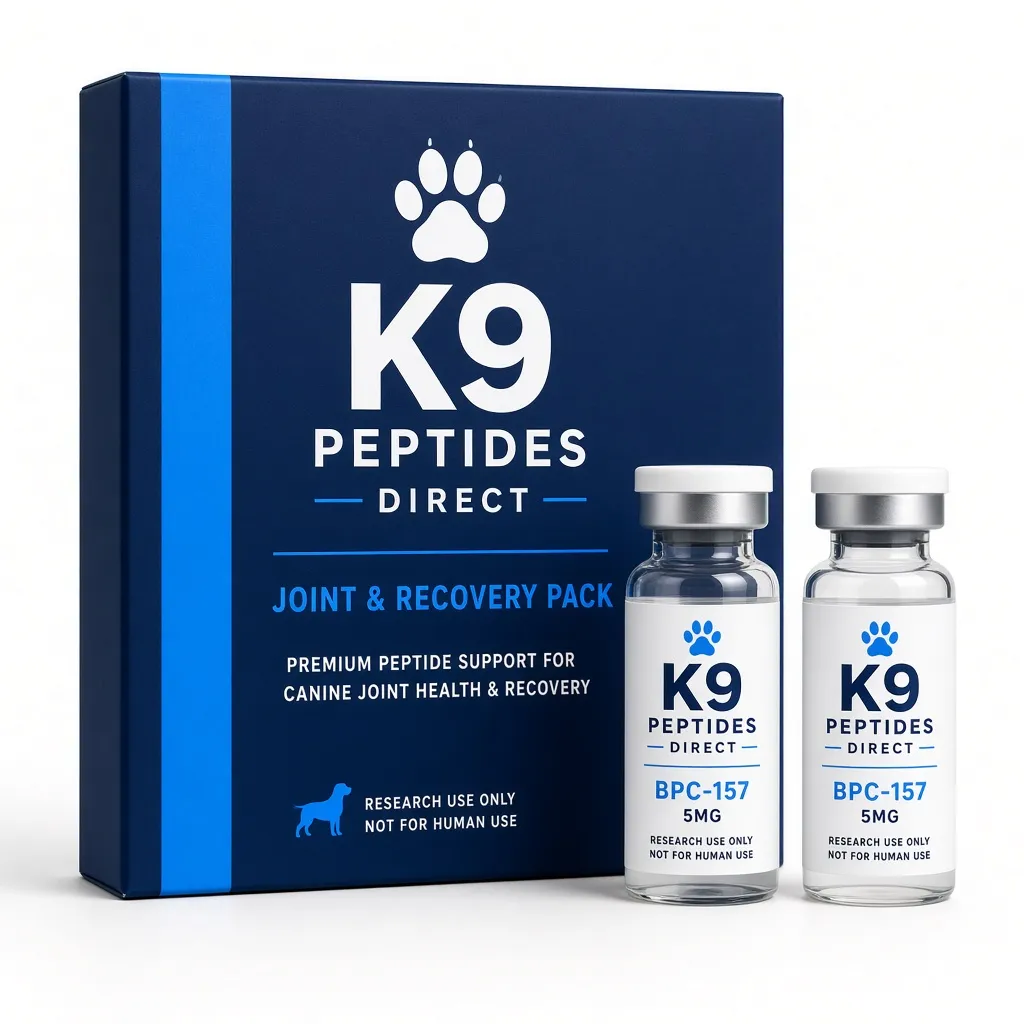
If you are still at the “what is this molecule” stage, read what peptides are. If you are comparing names that dominate forums, read BPC-157 and TB-500. If you are staring at a PDF that came with a Joint & Recovery Pack, start with the lot numbers, then the handling notes your veterinarian gives you.
If you are comparing two lots of the same name, handling history is part of the comparison. A COA describes the sample that was tested. It does not describe a vial that sat in a hot car after the PDF was issued. That is why cold-pack shipping and a written reconstitution date belong in the same notebook as the lot number.
Storage and reconstitution are quality and safety topics. They are not a back door into dosing, and they are not evidence that a peptide will help a dog.
References
- Lyophilization of Parenteral (inspection guide) — U.S. Food and Drug Administration
- Bacteriostatic Water for Injection label — DailyMed / National Library of Medicine
- Preventing unsafe injection practices — Centers for Disease Control and Prevention
- Unapproved animal drugs — FDA Center for Veterinary Medicine
- The ins and outs of extra-label drug use in animals — FDA Center for Veterinary Medicine
- Veterinarian-client-patient relationships — FDA Center for Veterinary Medicine