Senior dogs collect labels quickly: stiff, foggy, slowing down. Professional guidance treats those words as starting points for examination, not as a diagnosis and not as a reason to invent a protocol at home.
What “senior” means in veterinary practice
The AVMA’s senior-pet page is written for owners and is unusually direct. Older pets are more vulnerable to aging-related problems. They need more attention than younger pets, including more frequent veterinary visits and possible changes in diet and home setup.
AVMA’s list is practical: exams at least twice a year; discussion of diet and weight; parasite control and vaccination needs that may differ as immunity changes; keeping appropriate activity so mobility does not collapse from disuse; mental stimulation; and environmental changes such as sleeping areas that avoid stairs. The page also notes reproductive-disease risk in intact seniors. None of that is peptide-specific. It is the baseline.
The 2023 AAHA Senior Care Guidelines, also indexed on PubMed and published in the *Journal of the American Animal Hospital Association*, state the theme in one line: old age is not a disease. The guidelines describe systematic assessment of healthy and unhealthy seniors, client education, and inclusion of palliative and hospice planning. They are a veterinary-team document. They do not authorize a storefront protocol. They also emphasize a complete medication and nutraceutical history because interactions are real, and they treat twice-yearly (or more frequent) evaluation as the working cadence for seniors.
Mobility is an exam finding, not a catalog category
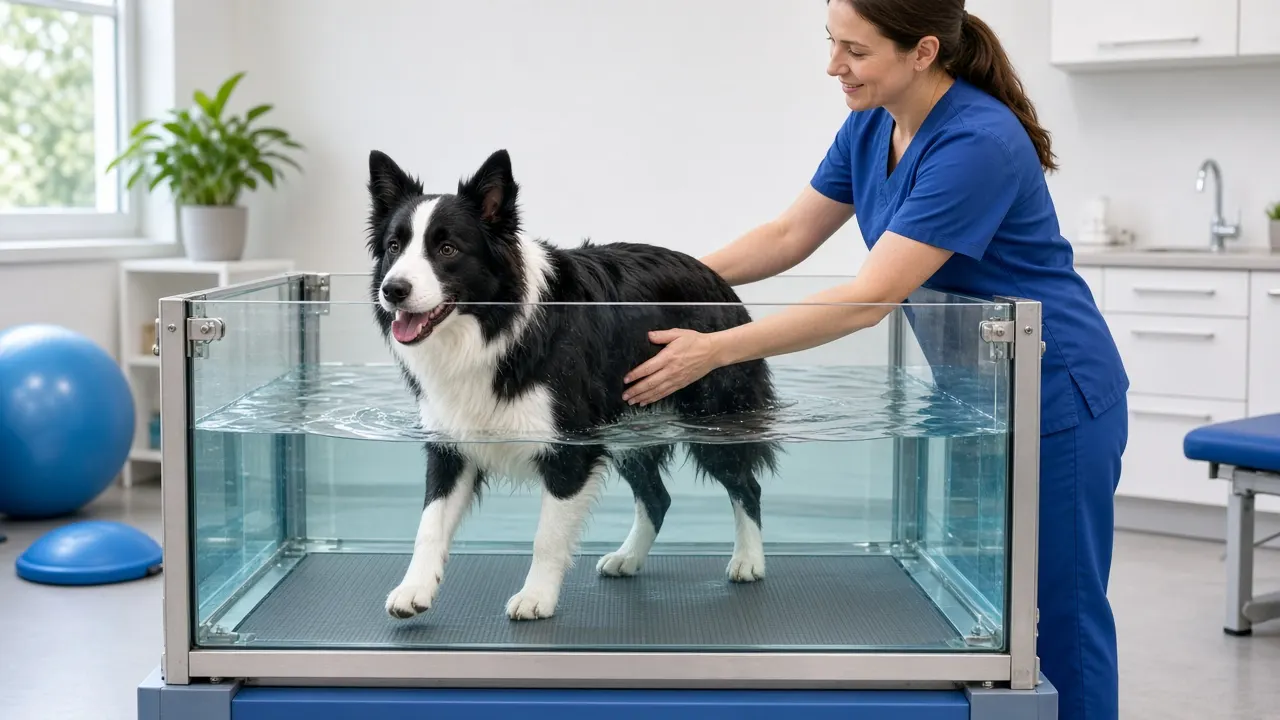
Slower stairs can be pain, weakness, neurologic disease, obesity, or several of those at once. AVMA notes that behavior change may reflect discomfort, sensory loss, medical disease, or aging. A veterinarian’s job is to sort those, which may include orthopedic and neurologic examination, pain scoring, and imaging when indicated.
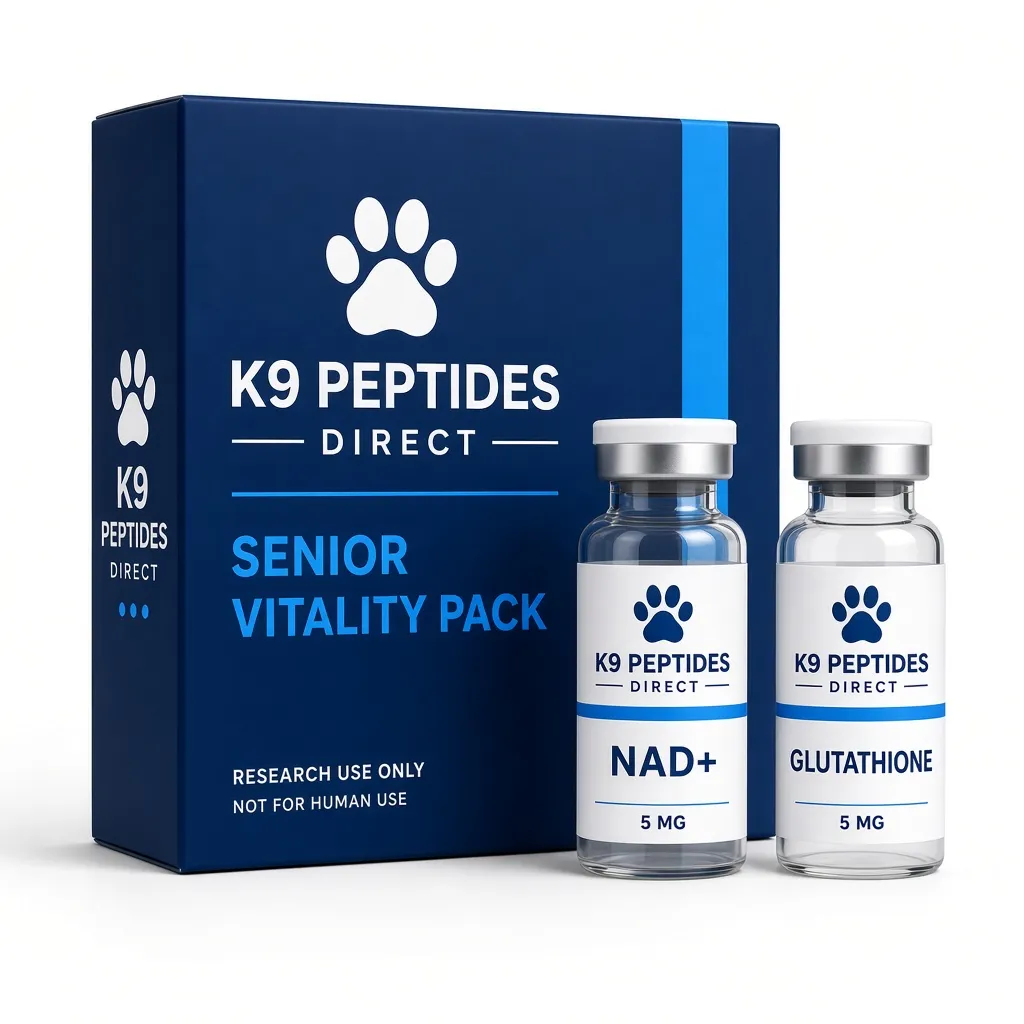
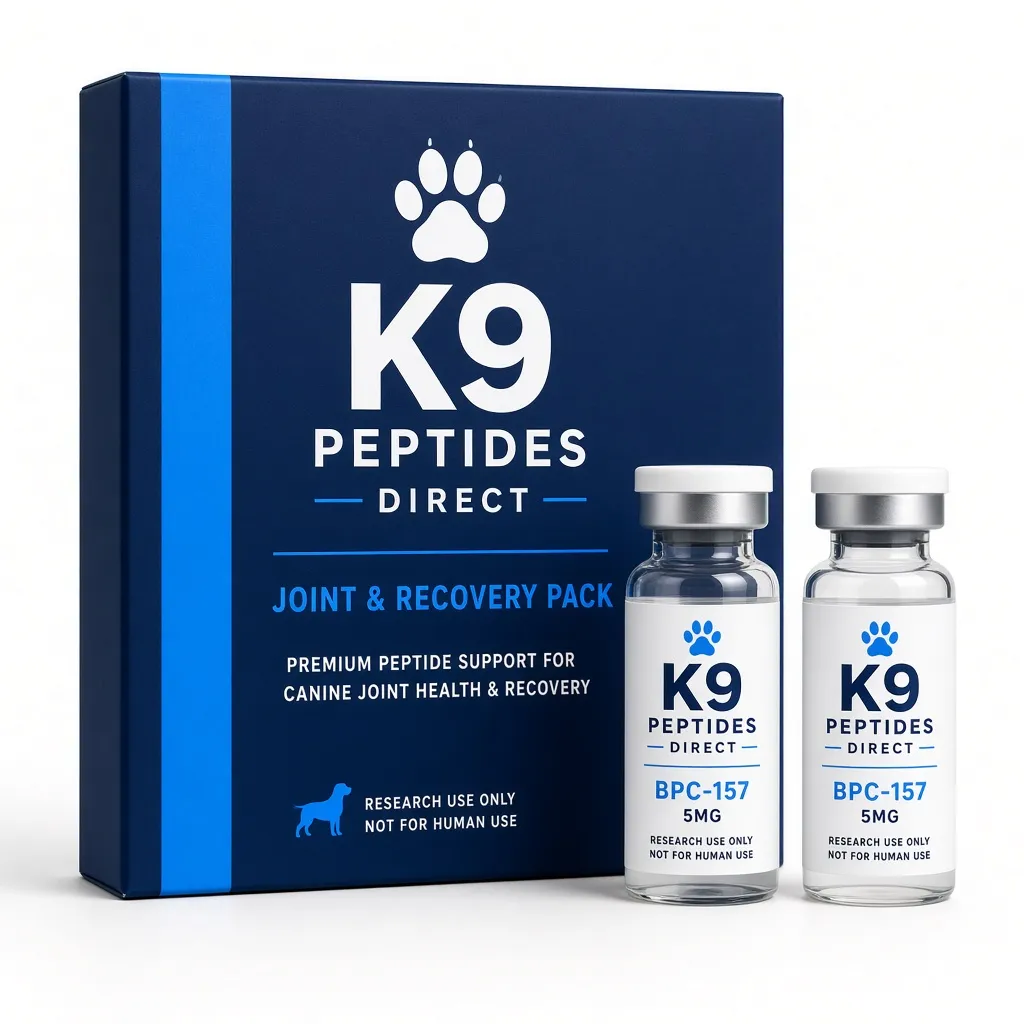
Home support that professional pages already mention — controlled activity, footing, weight, and pain discussion — is the first layer. Research listings such as a Joint & Recovery Pack or a Senior Vitality Pack sit outside that layer. They are not a substitute for identifying whether the dog has a torn ligament, inflammatory joint disease, or something else entirely.
If you later read BPC-157 and TB-500 research, keep the species line visible. Tendon-fibroblast papers in rats do not answer “why is this dog refusing the couch.”
Cognitive change is a diagnosis of exclusion
AVMA lists cognitive-dysfunction signs that owners actually notice: disorientation, altered social interaction, sleep-wake changes, house soiling, anxiety, pacing or repetition, less play, weaker response to cues, and poorer learning. The association tells owners to contact the veterinarian with specific changes. It also notes that diets, medications, and environmental interaction *may* be discussed — by the veterinarian, after other causes are considered.
The Canine Cognitive Dysfunction Syndrome Working Group guidelines in *JAVMA* define CCDS as a chronic, progressive, age-associated neurodegenerative syndrome with changes in the DISHAA domains (disorientation, social interaction, sleep, house soiling, learning and memory, activity, anxiety). The group proposes severity stages and stresses that CCDS remains a diagnosis of exclusion. Many diseases can produce the same behavioral domains. Recommended work-up language includes physical, orthopedic, and neurologic examination and a minimum database (CBC, chemistry, urinalysis, blood pressure). Focal neurologic signs or new seizures should prompt consideration of MRI and CSF analysis before a presumptive CCDS label.
Those guidelines also discuss screening cadence: annual behavioral screening from about seven years of age, with more structured scoring every six months from ten years or when changes appear. That is clinic process. It is not a product.
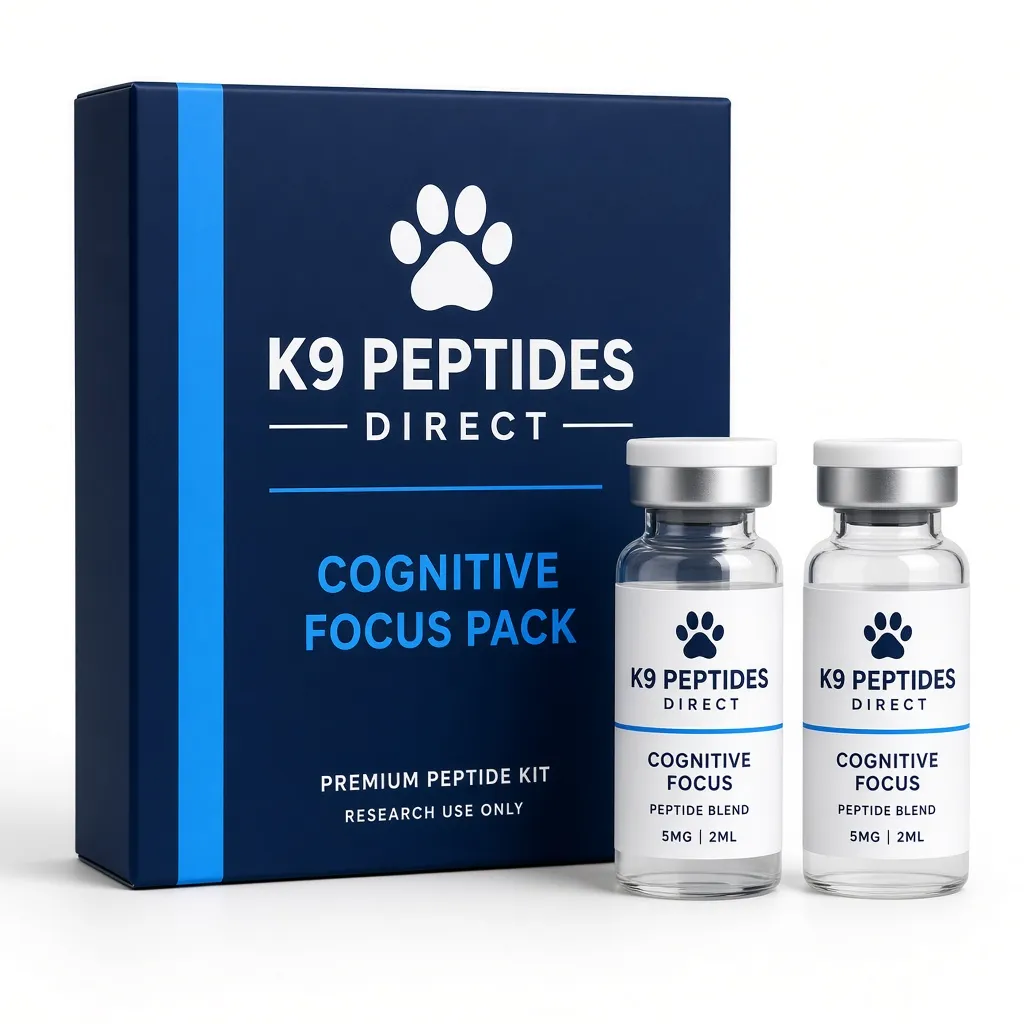
A Cognitive Focus Pack on this site pairs NAD+ and B-Complex as a catalog bundle for research questions. It does not diagnose CCDS and it does not treat it.
Where NAD+ and glutathione literature actually sits
Owners encounter “longevity” language around NAD+ and glutathione. The primary literature is not a senior-dog manual.
A 2021 review in *Nature Reviews Molecular Cell Biology* (PMC7963035) describes NAD+ as a redox coenzyme and a cofactor for enzymes including sirtuins, CD38, and PARPs. The authors report that NAD+ levels decline with age in multiple models, including rodents and humans, and they discuss targeting NAD+ metabolism as a research approach. They also state that much remains unknown about how NAD+ influences human aging, how to restore it safely, and whether repletion helps aging humans. Canine clinical outcomes are not the basis of that review.
Forman, Zhang, and Rinna (2009) review glutathione as the most abundant low-molecular-weight thiol synthesized in cells, covering antioxidant and conjugation roles, measurement, and biosynthesis. It is cell-biology. It does not establish that a glutathione vial will change a senior dog’s energy, liver values, or cognition.
Those papers are why a Senior Vitality Pack is labeled as research pairing, not as an anti-aging treatment. If a veterinarian wants to talk about oxidative-stress research or cellular-energy cofactors, the conversation still starts with the dog in the exam room.
A visit list that stays inside professional guidance
- Book the twice-yearly senior exam AVMA describes and AAHA’s senior guidelines reinforce, and bring a written list of mobility and behavior changes.
- Ask what minimum database the clinic recommends for this dog’s age and breed.
- Report every supplement, oil, and research material. The 2023 AAHA senior guidelines emphasize a complete medication and nutraceutical history because interactions are real.
- Do not use extra-label drug rules as a home license. Extra-label use is a veterinarian’s pathway for approved drugs inside a VCPR.
- If you later browse research vials, read what peptides are and how to read a COA before treating a purity number as a clinical argument.
Contact can start a veterinary-guided intake. The research guide remains educational. The care that professional bodies actually describe for senior dogs is examination, history, and follow-up — not a promise that any peptide will restore youth.
References
- Caring for senior cats and dogs — American Veterinary Medical Association
- 2023 AAHA Senior Care Guidelines for Dogs and Cats (full text PDF) — American Animal Hospital Association
- 2023 AAHA Senior Care Guidelines for Dogs and Cats — PubMed / Journal of the American Animal Hospital Association
- CCDS Working Group guidelines for diagnosis and monitoring — Journal of the American Veterinary Medical Association
- NAD+ metabolism and cellular processes during ageing (Covarrubias et al.) — PMC / Nature Reviews Molecular Cell Biology
- Glutathione: protective roles, measurement, and biosynthesis (Forman et al.) — PMC / Molecular Aspects of Medicine
- The ins and outs of extra-label drug use in animals — FDA Center for Veterinary Medicine